
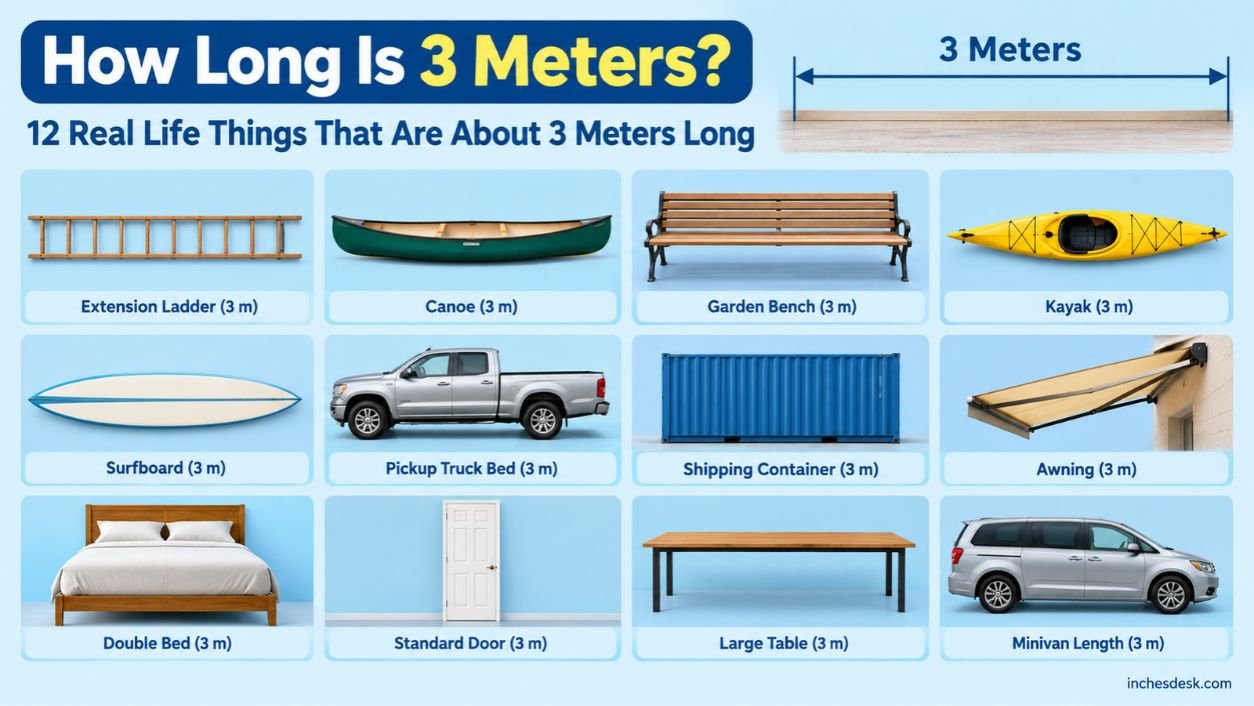
Three meters is a length of 300 centimeters, approximately 9.84 feet, or 118.11 inches. It is slightly shorter than 10 feet and provides a useful size reference for everyday objects, sports equipment, furniture, and building materials. If you are trying to visualize 3 meters without a measuring tape, comparing it with familiar objects can make the distance much easier to understand.
Whether you are a student learning metric conversions, a DIY enthusiast planning a project, or a shopper comparing product dimensions, this guide explains how long 3 meters is and how to picture it in real life.
How Long Is 3 Meters?
3 meters is equal to 300 centimeters, 3,000 millimeters, 9.84 feet, and 118.11 inches. It is just under 10 feet long, making it a convenient reference for estimating the length of a room, a large piece of equipment, or a long household object.
The meter is the standard unit of length in the metric system. Three meters represents a substantial distance for a household item but is still short enough to visualize using familiar objects.
Here are a few simple ways to picture this length:
- Nearly 10 feet: Three meters is about 1.9 inches shorter than exactly 10 feet.
- Three one-meter segments: Place three meter-long sticks end to end to make a total length of 3 meters.
- 300 centimeters: Each meter contains 100 centimeters, so 3 meters equals 300 centimeters.
- About the height of a large room’s ceiling plus extra space: Many residential ceilings are around 2.4 to 2.7 meters high, so 3 meters is slightly taller than these common ceiling heights.
- Comparable to some long recreational objects: Certain kayaks, surfboards, and other pieces of sports equipment approach this length.
Remember that 3 meters measures length, not area or volume. A board that is 3 meters long has a different measurement from a room that is 3 meters wide and 3 meters long. When comparing objects, check whether the stated dimension refers to length, height, width, or depth.
3 Meters in Feet, Inches, CM and Yards (Conversion Table)
To convert 3 meters into another unit, multiply the meter value by the appropriate conversion factor. For feet, multiply by 3.28084; for inches, multiply by 39.3701; and for centimeters, multiply by 100.
The following table provides the most useful conversions for everyday measuring, shopping, schoolwork, and DIY projects.
| Measurement Unit | Equivalent of 3 Meters |
| Meters | 3 m |
| Centimeters | 300 cm |
| Millimeters | 3,000 mm |
| Kilometers | 0.003 km |
| Feet | 9.84 ft |
| Feet and inches | 9 ft 10.11 in |
| Inches | 118.11 in |
| Yards | 3.28 yd |
| Miles | 0.00186 miles |
How to Calculate These Conversions
You can convert 3 meters into other units using these straightforward calculations:
1. Meters to feet
Multiply 3 by 3.28084.
33.28084=9.84252feet
Therefore, 3 meters is approximately 9.84 feet.
2. Meters to inches
Multiply 3 by 39.3701.
339.3701=118.1103inches
Therefore, 3 meters is approximately 118.11 inches.
3. Meters to centimeters
Multiply 3 by 100.
3100=300cm
Therefore, 3 meters equals exactly 300 centimeters.
4. Meters to millimeters
Multiply 3 by 1,000.
31000=3000mm
Therefore, 3 meters equals exactly 3,000 millimeters.
5. Meters to yards
Multiply 3 by approximately 1.09361.
31.093613.2808yards
Therefore, 3 meters is approximately 3.28 yards.
For quick mental estimates, remember that 3 meters is just under 10 feet. This approximation is useful when estimating furniture dimensions, checking available space, or comparing lengths while shopping. For construction, cutting materials, or fitting equipment into a specific space, use the precise measurement rather than the rounded estimate.
How Big Is 3 Meters Compared to a Human?
| Comparison | Approximate Height or Length |
| Average adult man | 1.7–1.8 meters |
| Average adult woman | 1.6–1.7 meters |
| Adult standing with arms raised | 2.0–2.3 meters |
| Tall adult | 1.9–2.0 meters |
| 3 meters | 300 cm (9.84 feet) |
| Typical residential ceiling | 2.4–2.7 meters |
| Basketball hoop rim | 3.05 meters |
Three meters is considerably taller than most adults. An average adult standing upright would reach roughly 55–60% of this height, while a person stretching both arms overhead would still usually fall short. A 3-meter vertical measurement is also close to the regulation height of a basketball hoop rim, which stands 3.05 meters above the playing surface.
12 Common Things That Are About 3 Meters Long
1. Tata Nano

The Tata Nano is a small city car designed to make personal transportation more affordable. Depending on the specification, it measures approximately 3.1 meters long, making it slightly longer than 3 meters.
Imagine a compact car parked beside a building. Its front-to-back length provides a useful real-world reference for understanding how much space 3 meters occupies. This comparison is especially helpful when estimating parking spaces, garage dimensions, or the length of a compact vehicle.
2. Futsal or Handball Goal
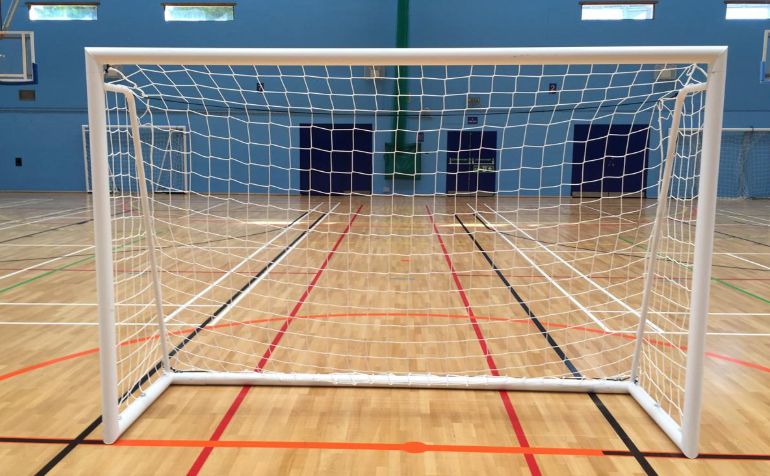
A standard futsal goal measures 3 meters wide and 2 meters high. Handball goals also use the same standard dimensions, making either goal an excellent reference for this measurement.
Unlike examples that only approximate 3 meters, the width of a regulation futsal or handball goal is an exact match. Standing in front of one gives you a clear visual impression of the distance from one goalpost to the other.
This comparison is useful for sports facilities, school projects, and anyone planning an indoor training area. Remember that the 3-meter measurement refers to the goal’s width, not its height.
3. Table Tennis Table
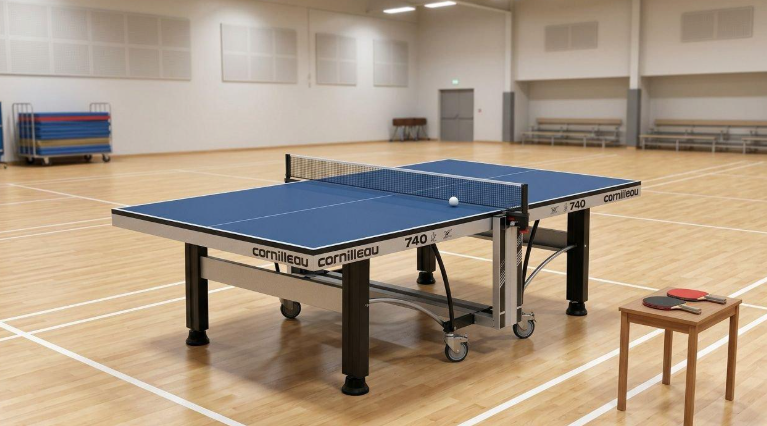
A regulation table tennis table is 2.74 meters long, which is just 26 centimeters shorter than 3 meters. This makes it one of the easiest sporting objects to use as a visual reference.
Picture the playing surface extending from one end to the other. Adding roughly 26 centimeters would bring its length to 3 meters. The comparison is useful when deciding whether a room has enough space for a table tennis setup.
The table’s playing dimensions are standardized, but you should also account for clearance around the table if players need room to move freely.
4. 9-Foot Pool Table
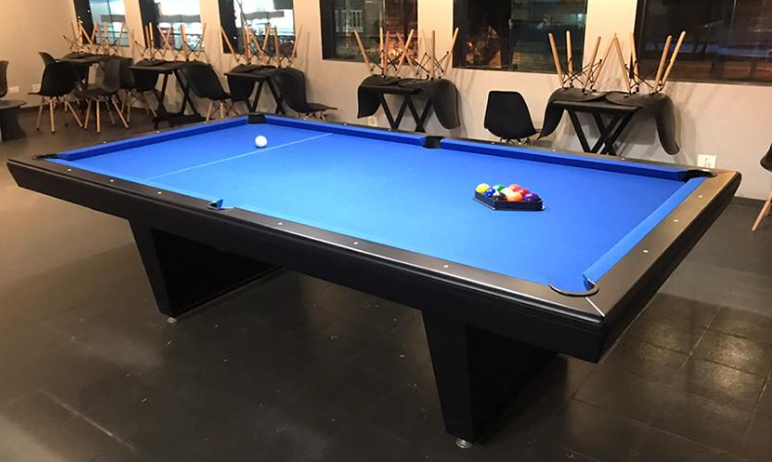
A 9-foot pool table is another helpful comparison because its nominal length is 9 feet, or 2.7432 meters. That puts it approximately 25.7 centimeters short of 3 meters.
A pool table may appear much longer when viewed in a room because its playing surface is surrounded by rails and the room needs extra space for cue movements. The table itself, however, is close to the 3-meter mark.
If you are planning a game room, measure the table and the surrounding playing area separately. A table nearly 3 meters long needs additional clearance at both ends for comfortable play.
5. Extension Ladder (Closed)
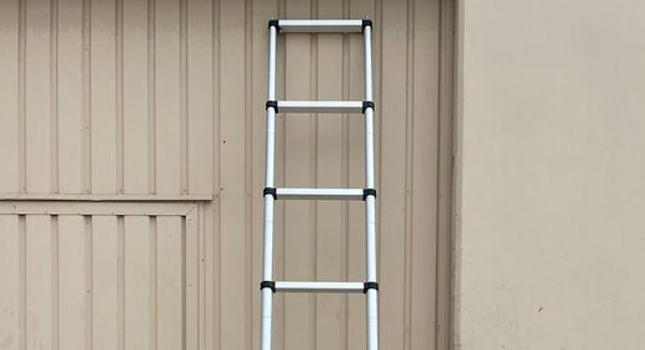
Some extension ladders measure around 3 meters when retracted, although closed lengths vary by model. A ladder of this size offers a practical reference for homeowners, maintenance workers, and DIY enthusiasts.
Imagine a closed ladder resting horizontally against a garage wall. Its end-to-end length can help you picture the space required to store long tools, trim, pipes, or similar materials.
Always check the manufacturer’s specifications before purchasing a ladder. The closed storage length, fully extended length, and safe working height are different measurements, and they should not be used interchangeably.
6. Recreational Kayak
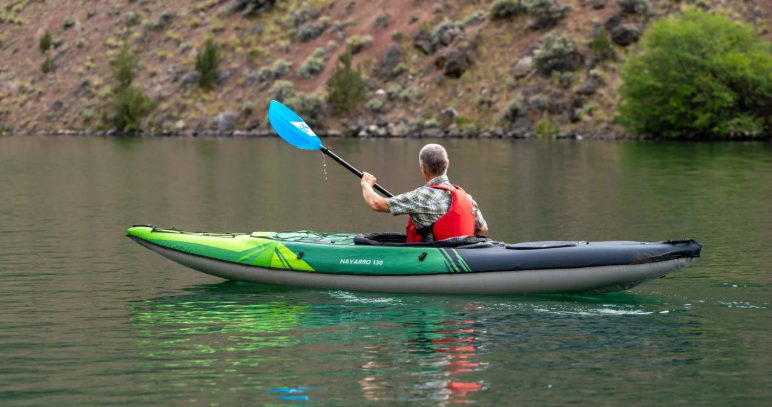
Many recreational kayaks designed for one person are approximately 3 meters long, although shorter and longer models are common. Their length provides a convenient way to visualize the distance from bow to stern.
A kayak of this size is long enough to make the 3-meter measurement feel substantial without requiring a large boat. It can also help when planning storage in a garage, shed, or vehicle rack.
The exact length depends on the design. Before buying a kayak or choosing a storage location, check its published dimensions rather than relying on the general 3-meter comparison.
7. Longboard Surfboard
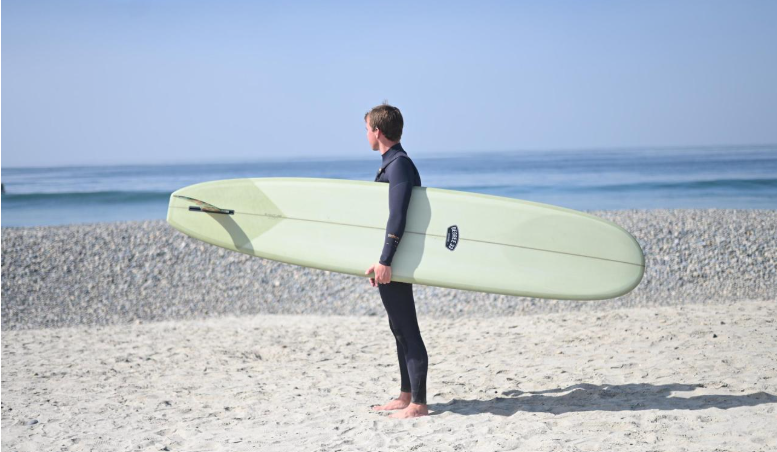
A 9-foot-6-inch longboard surfboard measures 2.8956 meters, making it a close match for 3 meters. It falls just over 10 centimeters short of the target length.
This comparison is useful because a surfboard’s long, narrow shape makes its length easy to recognize. Imagine the board laid flat on the ground: it stretches almost the full distance of 3 meters.
Surfboards come in many sizes, so a 9’6″ board is an example rather than a universal standard. If you are comparing boards for transport or storage, check the length printed in the product specifications.
8. PVC Pipe Length
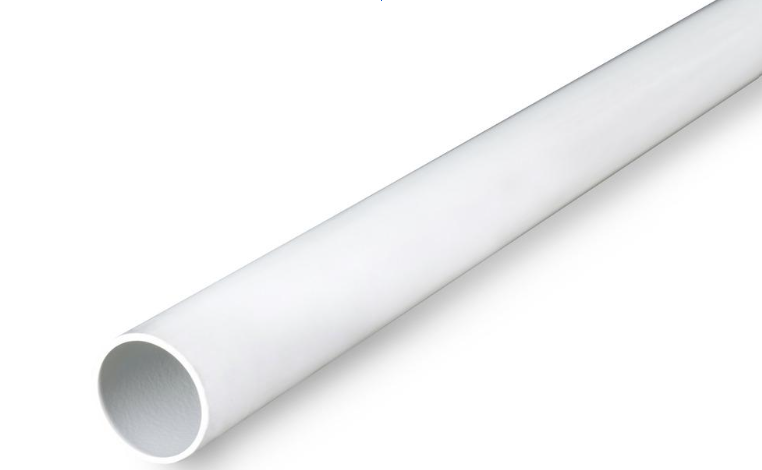
A PVC pipe cut to exactly 3 meters is a direct and practical example of this measurement. Unlike a vehicle or piece of sports equipment, the pipe can be supplied or cut to a specified length for a plumbing, drainage, or DIY project.
Picture a straight pipe extending across a workshop floor. Its end-to-end distance is the same as 300 centimeters or approximately 9.84 feet.
PVC pipes are manufactured and sold in different lengths depending on the market, application, and supplier. If your project requires a 3-meter section, confirm the supplied length and account for any additional material needed for fittings and connections.
9. Scaffold Tube
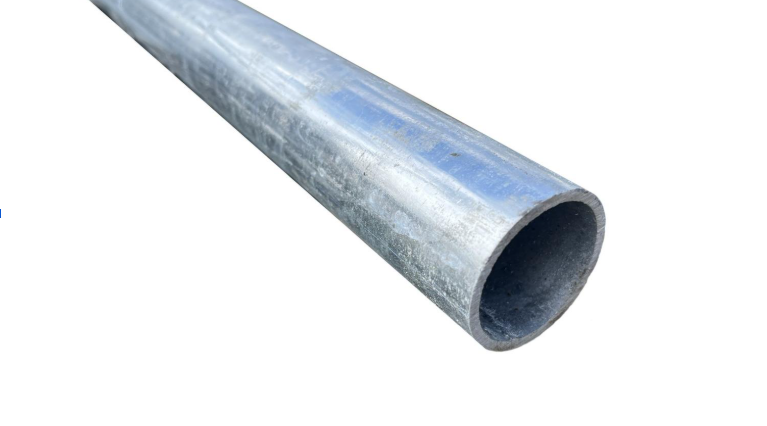
A scaffold tube measuring 3 meters long is a useful reference for construction and renovation work. Long metal tubes are used in scaffolding systems, but their available lengths depend on the manufacturer and local standards.
Seeing a tube laid horizontally helps you understand the physical space occupied by 3 meters. It is also a practical example when planning material storage, transporting long building components, or estimating distances on a worksite.
Scaffolding components must be compatible with the relevant system and specifications. Never assume that all scaffold tubes have the same diameter, wall thickness, or standard length.
10. Large Christmas Tree
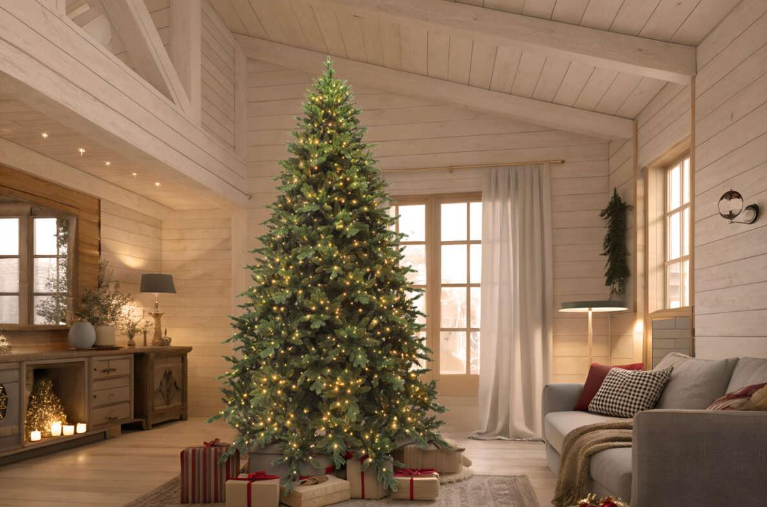
A large Christmas tree that stands 3 meters tall provides an easy way to visualize this measurement vertically. At nearly 10 feet, it can be considerably taller than the trees commonly used in smaller living rooms.
Imagine the tree standing from the floor to a point above many standard residential ceiling heights. This illustrates why ceiling clearance matters when choosing a particularly tall artificial or natural tree.
For a real setup, measure from the floor to the ceiling and include the tree stand and any topper in your calculation. A tree advertised as 3 meters tall may need more than 3 meters of clearance once decorations or a star are added.
11. African Bush Elephant (Shoulder Height)

A large adult African bush elephant can reach around 3 meters or more at the shoulder, although height varies by sex, age, and individual animal. This makes the species an impressive reference for understanding how tall 3 meters really is.
Unlike measuring a car or a pipe, this comparison is about height rather than length. An elephant’s shoulder height is measured vertically from the ground to the top of the shoulder, not to the top of its head or raised trunk.
This example helps put the measurement into perspective: 3 meters is not just a long distance across the floor. It is also a substantial vertical height, comparable to the shoulder height of a very large land mammal.
12. King Cobra

A king cobra can grow to approximately 3 meters long, and some individuals become considerably longer. Its long body provides another biological example of the measurement, although the snake’s length is not the same as its standing height.
A 3-meter length would stretch almost 10 feet if measured along the animal’s body. This is a useful way to appreciate the scale of a large snake, but individual sizes vary significantly.
King cobras are highly venomous wild animals. This comparison is intended only to help visualize length; never approach, handle, or attempt to measure one in the wild.
3 Meters in Sports and Everyday Standards
Three meters appears in sports facilities, household planning, and construction measurements. Some examples are defined by official standards, while others are common dimensions that vary by product or location. Knowing the difference helps you use 3 meters as a reliable reference instead of treating every comparison as an exact match.
Here are several practical examples of how 3 meters relates to sports and everyday measurements.
| Object or Standard | Measurement | How It Compares to 3 Meters |
| Futsal goal width | 3 m | Exactly 3 meters |
| Handball goal width | 3 m | Exactly 3 meters |
| Basketball hoop height | 3.05 m | 5 cm taller than 3 meters |
| Table tennis table length | 2.74 m | About 26 cm shorter |
| 9-foot pool table | 2.74 m | About 26 cm shorter |
| 9-foot-6-inch surfboard | 2.90 m | About 10 cm shorter |
| Standard adult doorway height | Often around 2 m | Roughly 1 meter shorter |
| Large Christmas tree | 3 m | Exactly 3 meters if measured to this height |
| PVC pipe cut to specification | 3 m | Exactly 3 meters |
| Recreational kayak | Around 3 m | Depends on the model |
Sports Measurements
Sports provide some of the clearest references for understanding 3 meters. A regulation futsal goal and a standard handball goal are both 3 meters wide and 2 meters high. If you have ever stood in front of one, you have seen a 3-meter span in person.
Basketball offers another useful comparison. The rim is positioned 3.05 meters above the playing surface, just 5 centimeters higher than 3 meters. This makes a basketball hoop a helpful visual reference when estimating vertical distances in a gym or outdoor court.
A table tennis table measures 2.74 meters long, while a 9-foot pool table has a nominal length of approximately the same amount. Both are close to 3 meters, although neither reaches it.
Everyday and Construction Measurements
In homes and workshops, 3 meters is a useful length for planning shelving, selecting pipes, estimating storage space, or checking whether a long item will fit inside a vehicle or room.
For example, a PVC pipe cut to 3 meters gives you an exact reference. A large Christmas tree that stands 3 meters tall provides the same measurement vertically. By contrast, a kayak or extension ladder may be close to 3 meters, but the actual dimensions depend on its design.
When working with building materials, distinguish between the nominal measurement and the actual finished dimension. A product described as 3 meters long may have a different usable length after cutting, joining, or fitting connectors. Always consult the product specifications when accuracy matters.
How to Measure 3 Meters Without a Tape
You can estimate 3 meters without a measuring tape by using familiar objects, combining shorter known lengths, or counting your steps. The most reliable method is to use an object with a known dimension and repeat that measurement three times. For work that requires precision, verify your estimate with a proper measuring tool.
Here are five practical ways to visualize or estimate 3 meters.
1. Use Three One-Meter Objects
A simple method is to place three objects that each measure 1 meter end to end.
- One meter equals 100 centimeters.
- Two meters equal 200 centimeters.
- Three meters equal 300 centimeters.
If you have a meter stick, a one-meter measuring rod, or a clearly marked meter-long piece of material, you can use it to establish the total distance. Make sure the objects meet end to end without overlapping or leaving gaps.
2. Estimate Using a 10-Foot Reference
Three meters is approximately 9 feet 10.11 inches, which is just under 10 feet.
If you are familiar with a 10-foot room dimension or a 10-foot length of material, use that as a visual reference. The difference is only about 1.89 inches, so the two lengths look nearly identical at a glance.
This technique works well for rough estimates when arranging furniture, checking available floor space, or visualizing a long object. It is not suitable for precise cutting or installation because a small error can affect the final fit.
3. Count Your Walking Steps
Walking can help you estimate a 3-meter distance if you know your approximate step length.
For example, if one of your normal steps covers about 0.75 meters, four steps would cover approximately 3 meters.
| Average Step Length | Approximate Steps to Cover 3 Meters |
| 0.50 m | 6 steps |
| 0.60 m | 5 steps |
| 0.75 m | 4 steps |
| 1.00 m | 3 steps |
Your actual step length depends on your height, walking speed, and stride. Take several normal steps across a clear area rather than stretching your legs unnaturally. This method is useful for rough distance estimates, but it should not replace a measuring tool where accuracy is required.
4. Compare the Distance With a Table Tennis Table
A standard table tennis table is 2.74 meters long. Since it is only about 26 centimeters shorter than 3 meters, it offers a practical visual comparison.
If you know the length of a regulation table, imagine extending that distance by roughly the width of a sheet of A4 paper plus a little extra. An A4 sheet measures 21 centimeters along its longer side, so the added distance would need to be approximately 5 centimeters more.
This comparison is especially useful in sports halls, recreation centers, or homes where a table tennis table is available.
5. Use a Known Room Dimension
Many rooms have dimensions that are documented in building plans, rental listings, or renovation measurements. If you know that one wall measures 3 meters, you can use it as a reference when estimating other distances.
For example, a wall measuring 3 meters from corner to corner gives you a fixed horizontal reference. You can compare the length of a sofa, desk, or storage unit against it to estimate whether the item will fit.
However, avoid assuming that all rooms have standard dimensions. If you do not know the wall’s actual length, the comparison is only an estimate.
Tips for Getting a More Accurate Estimate
- Start from a clear point: Identify exactly where the measurement begins and ends.
- Keep objects aligned: When combining several shorter objects, place them end to end without gaps.
- Measure the correct dimension: Length, width, and height are different, even when they share the same numerical value.
- Allow for measurement error: Step counting and visual comparisons are estimates, not precise measurements.
- Verify important dimensions: Use a tape measure, laser distance meter, or suitable measuring rod before cutting materials, installing fixtures, or ordering custom-sized products.
For everyday visualization, these techniques make 3 meters easier to understand. For construction, woodworking, and other tasks where a small error matters, use a calibrated measuring tool to confirm the final dimension.
Real-Life Uses of 3-Meter Measurements
A length of 3 meters is useful in home improvement, construction, sports, gardening, and everyday space planning. Because it is approximately 9.84 feet, it provides a convenient reference when working with long materials or estimating the dimensions of a room. Understanding this measurement can help you plan purchases, avoid fitting problems, and estimate distances more confidently.
1. Home Improvement and Interior Design
Three meters is a useful reference when arranging furniture or planning a room layout. For example, a wall that measures 3 meters across provides approximately 9 feet 10 inches of space for a sofa, storage unit, or combination of smaller furniture pieces.
Before purchasing furniture, check its actual width and depth, as well as the space needed to walk around it. A 3-meter wall does not necessarily provide enough room for every arrangement because doors, windows, radiators, and other fixtures may reduce the usable space.
This measurement is also helpful when planning curtain tracks, wall-mounted shelving, decorative panels, and room dividers. Measuring the available area before buying materials can reduce waste and prevent expensive installation mistakes.
Read More: How Long Is 5 Meters? 12 Real Life Things That Are About 5 Meters Long
2. Construction and DIY Projects
Builders and DIY enthusiasts regularly work with meter-based measurements when cutting materials, installing frames, and planning renovations. A 3-meter length is particularly convenient for estimating the amount of pipe, timber, cable, or trim required for a project.
For example, if you need a 3-meter section of timber, you can convert the length to 300 centimeters or approximately 9.84 feet before comparing products sold in different units. This makes it easier to understand supplier specifications and calculate whether a particular piece will fit your project.
Always check the usable length of a material before cutting. Saw cuts, joints, overlaps, and installation allowances can affect the amount you need. For load-bearing structures or other safety-critical work, follow the relevant building requirements rather than relying on a simple length estimate.
3. Gardening and Outdoor Planning
Three meters can help you plan garden beds, fences, plant spacing, and outdoor storage. A garden bed measuring 3 meters long, for instance, gives you a clear starting point for arranging plants in rows.
You can also use this measurement to estimate the length of a small fence section or the space required for outdoor equipment. However, the number of plants that fit along a 3-meter bed depends on their mature size and recommended spacing.
For accurate garden planning, measure the actual area and account for paths, gates, property boundaries, and access requirements.
4. Sports and Recreation
Sports equipment offers some of the easiest ways to visualize 3 meters. A regulation futsal goal is 3 meters wide, while a table tennis table measures approximately 2.74 meters long.
These comparisons are useful when planning a recreational area, setting up sports equipment, or checking whether an item will fit in a storage room. For example, a space that is exactly 3 meters long may accommodate a 3-meter goal frame only if there is sufficient clearance for its supports and any surrounding equipment.
When planning a sports area, measure the entire space rather than just the equipment. Players need additional room to move safely and comfortably.
5. Shopping for Furniture and Equipment
Product dimensions are often listed in centimeters, millimeters, inches, or feet. Knowing that 3 meters equals 300 centimeters or 118.11 inches makes it easier to compare items from different retailers.
This can be especially useful when shopping for long desks, shelving systems, ladders, recreational kayaks, and storage products. If a product listing gives a length of 2,950 millimeters, for example, you can divide by 1,000 to find that it measures 2.95 meters, or 5 centimeters less than 3 meters.
Always check which dimension the listing describes. A product measuring 3 meters in width may have a very different storage requirement from one measuring 3 meters in height.
6. Electrical, Plumbing, and Cable Installation
Three-meter lengths are useful when estimating the routing of electrical cables, plumbing pipes, and other installation materials. If a planned route measures 3 meters, that distance gives you a starting point for calculating the required material.
However, the direct distance between two points may be shorter than the actual route. Cables and pipes often need to follow walls, pass around obstacles, or include additional length for connections and bends.
For that reason, measure the complete installation path rather than relying solely on the distance between the starting and ending points. Electrical and plumbing work should also follow applicable safety codes and manufacturer instructions.
FAQs
1. Is 3 meters longer than 10 feet?
No. Three meters is approximately 9.84 feet, so it is slightly shorter than 10 feet. The difference is about 1.89 inches, or 4.8 centimeters.
2. How many inches are in 3 meters?
There are approximately 118.11 inches in 3 meters. To calculate this, multiply 3 by 39.3701, the number of inches in one meter.
3. How many centimeters is 3 meters?
Three meters equals 300 centimeters because one meter contains exactly 100 centimeters. Multiply 3 by 100 to convert meters into centimeters.
4. How tall is 3 meters compared with a person?
Three meters is taller than most adults. An adult who is 1.75 meters tall reaches about 58% of a 3-meter height. Three meters is also close to the standard basketball rim height of 3.05 meters.
5. What common object is almost 3 meters long?
A 9-foot-6-inch longboard surfboard measures approximately 2.90 meters, making it a close comparison. A standard table tennis table, at 2.74 meters long, is another useful reference.
6. How can I measure 3 meters without a measuring tape?
You can estimate 3 meters by combining three known 1-meter lengths, using a familiar 10-foot reference, or counting your walking steps. Four steps of approximately 75 centimeters each cover about 3 meters. These methods provide estimates rather than guaranteed precise measurements.
7. Is 3 meters the same as 3 square meters?
No. Meters measure length, while square meters measure area. Three meters describes a single distance. Three square meters describes the area of a surface, such as a floor measuring 1 meter by 3 meters.
8. How many yards are in 3 meters?
Three meters equals approximately 3.28 yards. To convert meters to yards, multiply the number of meters by approximately 1.09361.
Conclusion
Three meters is equal to 300 centimeters, 3,000 millimeters, 9.84 feet, or 118.11 inches. Although it is slightly shorter than 10 feet, it is a substantial length that can be visualized using familiar objects, such as a futsal goal, a nearly 3-meter-long surfboard, or a recreational kayak.
Understanding how long 3 meters is can help with everyday tasks, including measuring rooms, planning DIY projects, choosing furniture, estimating construction materials, and comparing product dimensions. Sports measurements also provide useful references, particularly the 3-meter width of a regulation futsal or handball goal.
